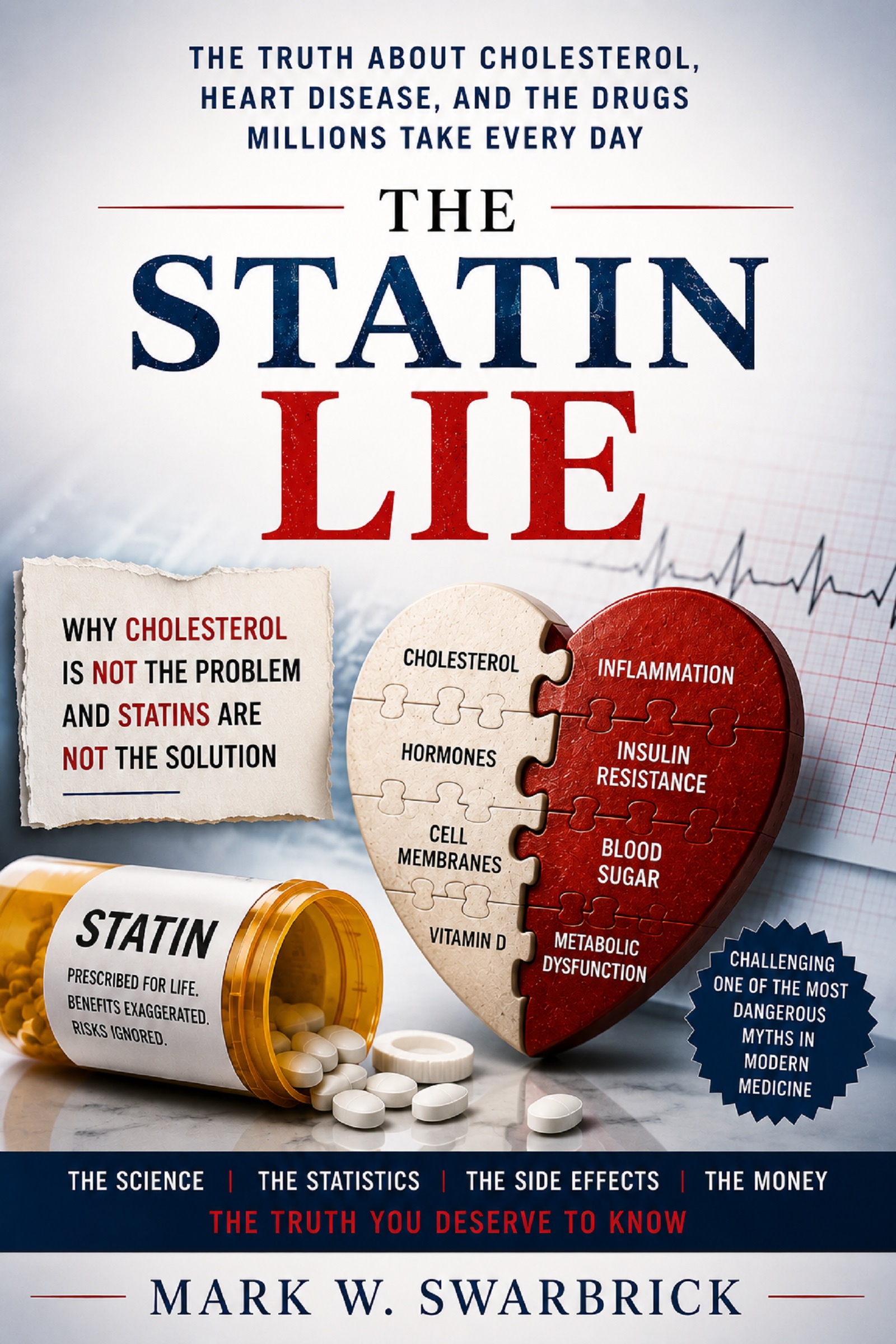
Anyone diagnosed with cancer quickly discovers that conventional medicine generally offers a familiar group of treatments: surgery, chemotherapy, radiation, immunotherapy, and various cancer drugs. These treatments have saved lives, but they are not the only approaches being investigated. Around the world, researchers are also studying natural cancer treatments, repurposed medications, nutritional supplements, fasting, metabolic therapies, and other alternative cancer treatments. The important question is not whether a treatment is called conventional, natural, or alternative. The important question is whether there is evidence that it may help fight cancer.
Natural Cancer Treatments and the Research
Some of the most remarkable cancer recovery stories in recent years have involved treatments that most cancer patients have never heard about. People diagnosed with advanced and even terminal cancer have reported extraordinary recoveries after using repurposed medicines such as fenbendazole and ivermectin, sometimes in combination with conventional treatment, supplements, dietary changes, and other therapies.
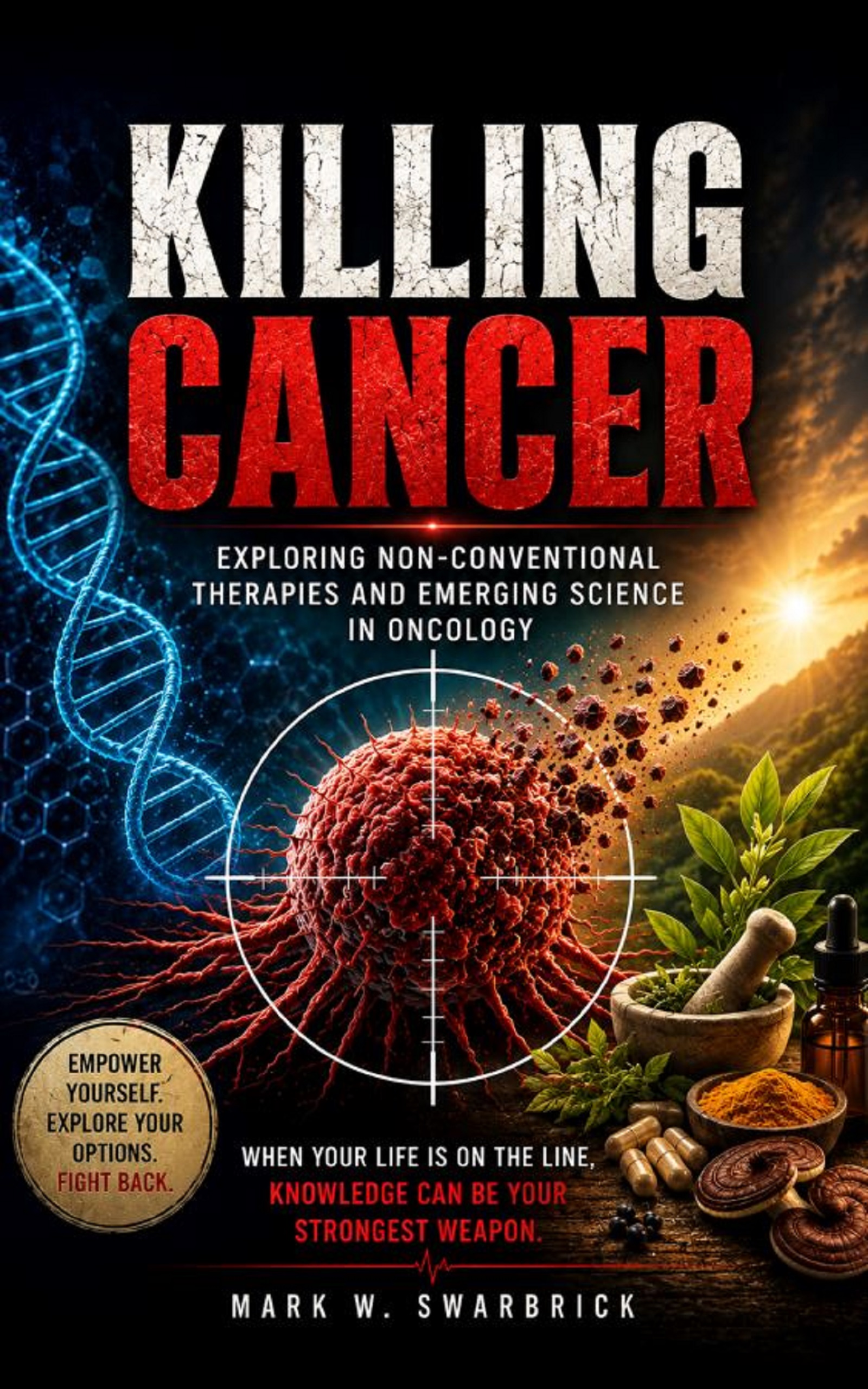
Killing Cancer: Exploring Non-Conventional Therapies and Emerging Science in Oncology
In Killing Cancer, Mark Swarbrick examines more than two dozen alternative and integrative cancer therapies, including ivermectin, fenbendazole, curcumin, fasting, ketogenic diets, medicinal mushrooms, and more, drawing on scientific research, emerging evidence, and reported recoveries.
Available in Paperback, Kindle eBook, and Audio Book. Only $3.99.
Researchers have studied compounds such as curcumin, vitamin D, green tea extract (EGCG), medicinal mushrooms, black seed oil, sulforaphane, omega-3 fatty acids, quercetin, and others for their potential effects on cancer cells. The evidence varies greatly from one substance to another, and laboratory evidence is not the same as proof that something will cure cancer in human beings. Nevertheless, there is enough research involving many of these compounds to make them worthy of serious investigation.
Repurposed Drugs for Cancer
Some of the most interesting research does not involve natural substances at all, but inexpensive medications that have been around for years. Researchers have investigated whether existing drugs developed for other purposes might also have anticancer properties.
Mebendazole, fenbendazole, and ivermectin are examples that have attracted considerable attention. Laboratory and animal research has examined their ability to interfere with processes cancer cells depend upon for growth and survival. Researchers have reported effects involving cancer-cell division, programmed cell death, energy metabolism, tumor blood supply, and other mechanisms.
This does not mean that laboratory results automatically translate into successful cancer treatments in people. It does mean, however, that these substances are being studied for identifiable biological reasons rather than merely because someone on the Internet claimed they worked.
Can Diet and Metabolism Affect Cancer?
Another fascinating area of research concerns cancer metabolism. Cancer cells frequently consume enormous amounts of glucose and may also depend heavily upon other fuels, including the amino acid glutamine. This has led researchers to investigate whether changing the metabolic environment can make cancer cells more vulnerable.
Fasting, ketogenic diets, carbohydrate restriction, and other metabolic approaches have therefore become subjects of cancer research. These approaches are based on an important question: If cancer cells have unusual metabolic requirements, can those weaknesses be exploited?
Research into that question is continuing.
Looking Beyond Conventional Cancer Treatment
Cancer is far too serious to blindly accept every supposed remedy that appears on the Internet. But it is also too serious to refuse to investigate promising research simply because an approach is labeled natural, alternative, complementary, or unconventional.
Anyone facing cancer should learn as much as possible about the disease, understand the conventional treatments available, investigate other approaches that have credible evidence behind them, and discuss those options with qualified medical professionals. Some alternative cancer treatments may potentially complement conventional treatment, while others remain experimental and require considerably more research.
When your life is at stake, you want to know about every reasonable option. The more informed you are, the better prepared you will be to ask the right questions and make decisions about your own care.
Return to Health and Stewardship Hub Page
Return to Home Page


 Global Warming: Socialism in Disguise